Is the Swiss Travel Pass Worth It? An Honest 2026 Breakdown
Whether the Swiss Travel Pass is worth it depends on your route. Real fare maths, who should buy it, and when the Half Fare Card wins instead.
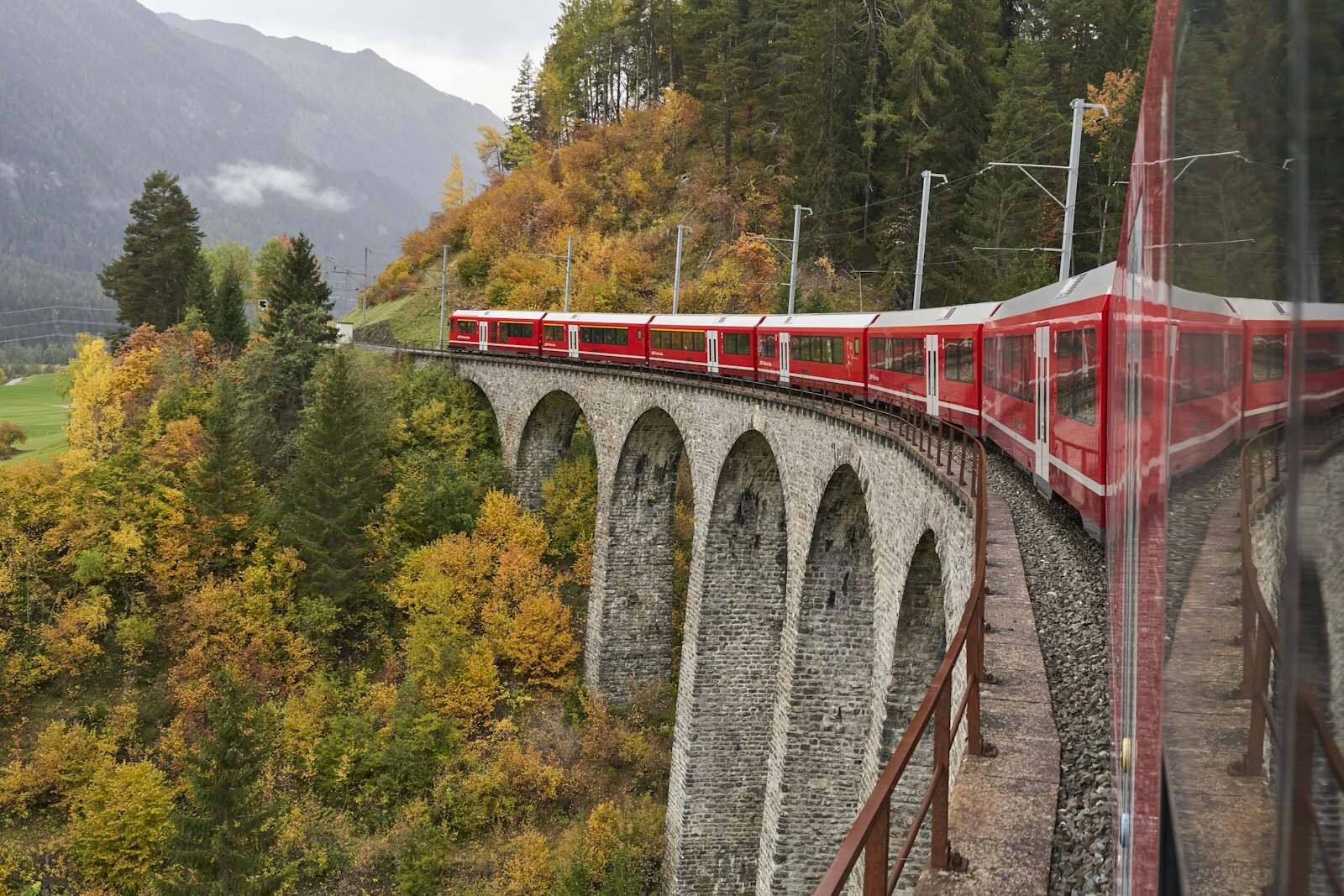
The Swiss Travel Pass is the ticket most first-time visitors reach for — and for many trips it genuinely is the best-value option. But it is not automatically worth it. Whether it pays off comes down to one thing: how much ground you actually cover.
Here’s the honest answer up front. If you’re moving between regions every couple of days and taking mountain excursions, the Swiss Travel Pass almost always saves money and hassle. If you’re basing yourself in one or two spots and taking day trips, the Half Fare Card usually beats it. The rest of this guide shows you how to tell which camp you’re in.
What the Swiss Travel Pass actually includes
The pass is more than train tickets. For a set number of consecutive days it gives you:
- Unlimited travel on the national rail network (SBB), plus most buses and boats.
- Free public transport in over 90 towns and cities — trams, city buses, the lot.
- Mountain excursions: some included in full (Rigi, Stoos, Stanserhorn), the famous ones at 50% off (Jungfraujoch, Gornergrat, Schilthorn, Titlis, Matterhorn Glacier Paradise).
- Free entry to 500+ museums.
- Scenic trains (Glacier Express, Bernina Express, GoldenPass) with no surcharge beyond the seat reservation.
What it costs (checked July 2026)
| Duration | Adult 2nd class | Adult 1st class |
|---|---|---|
| 3 days | ~CHF 244 | ~CHF 389 |
| 4 days | ~CHF 295 | ~CHF 469 |
| 6 days | ~CHF 379 | ~CHF 602 |
| 8 days | ~CHF 419 | ~CHF 665 |
| 15 days | ~CHF 459 | ~CHF 723 |
Prices are approximate and change; always confirm the current fare before buying. Travellers aged 25 and under get a meaningful discount with the Youth pass, and up to four children travel free with the Swiss Family Card.
The maths: when it pays off
The pass beats individual tickets when your would-be spending on point-to-point fares plus excursion discounts exceeds the pass price. A few reference fares (2nd class, full price, July 2026):
- Zurich Airport → Lucerne: ~CHF 26
- Lucerne → Interlaken: ~CHF 33
- Interlaken → Zermatt: ~CHF 68
- Zermatt → Geneva Airport: ~CHF 90
That single one-way chain is already ~CHF 217 — before a single mountain trip. Add a Jungfraujoch excursion (half price with the pass saves ~CHF 120) and the case makes itself.
Rule of thumb: if your rough plan has you changing base every 2–3 days and doing at least one big mountain excursion, price the pass first.
Who it’s worth it for
- First-timers doing the classic loop (Zurich–Lucerne–Interlaken–Zermatt–Geneva). Buy the pass.
- Rail-focused trips where the journey is the point (scenic trains). Buy the pass.
- Families — the free Family Card for kids tips the maths hard toward the pass.
Who should skip it
- One-base trips. If you’re staying in Interlaken for a week and doing local day trips, add up your actual journeys — the Half Fare Card plus individual tickets is often cheaper.
- Slow travellers who’ll take two or three trains all week.
- Drivers. If you’re renting a car, a transport pass makes little sense.
How to decide in five minutes
- List every journey you expect to take, plus any mountain excursions.
- Look up the full fares (SBB’s website shows them instantly).
- Halve the excursion prices and add up the total.
- Compare that number to the pass price for your trip length.
- Whichever is lower wins — and remember the pass also buys you the convenience of never queuing for a ticket.
Still unsure between the two main options? The next guide breaks down the Swiss Travel Pass versus the Half Fare Card with worked examples for different trip styles.
Frequently asked questions
Is the Swiss Travel Pass worth it for 7 days?
For a classic first-timer route (Zurich–Lucerne–Interlaken–Zermatt with excursions), a 7-day pass usually pays for itself. The point-to-point fares plus mountain-excursion discounts typically exceed the pass price of around CHF 429 (checked July 2026).
What is the difference between the Swiss Travel Pass and the Half Fare Card?
The Swiss Travel Pass gives unlimited free travel for a set number of consecutive days. The Half Fare Card (CHF 120 for a month) instead gives 50% off almost every ticket. If you travel light, the Half Fare Card is often cheaper; if you move around a lot, the pass wins.
Does the Swiss Travel Pass cover mountain excursions?
It covers many mountain railways fully (Rigi, Stanserhorn, Stoos) and gives 50% off the big ones (Jungfraujoch, Gornergrat, Matterhorn Glacier Paradise, Titlis, Schilthorn). It also includes free public transport in 90+ towns and free entry to 500+ museums.
Can I buy the Swiss Travel Pass for non-consecutive days?
Yes — the Swiss Travel Pass Flex offers the same benefits but lets you choose your travel days within a month, for a small premium over the consecutive pass.
Written by Christoph Burgdorfer
Swiss-based traveler writing first-hand, up-to-date guides to getting the most out of Switzerland — trains, mountains, and real prices in Swiss francs.
Published · Last updated