The Perfect 7-Day Switzerland Itinerary by Train (2026)
A tested 7-day Switzerland itinerary by train: Zurich, Lucerne, Interlaken and Zermatt, with routes, timings and what each day actually costs.
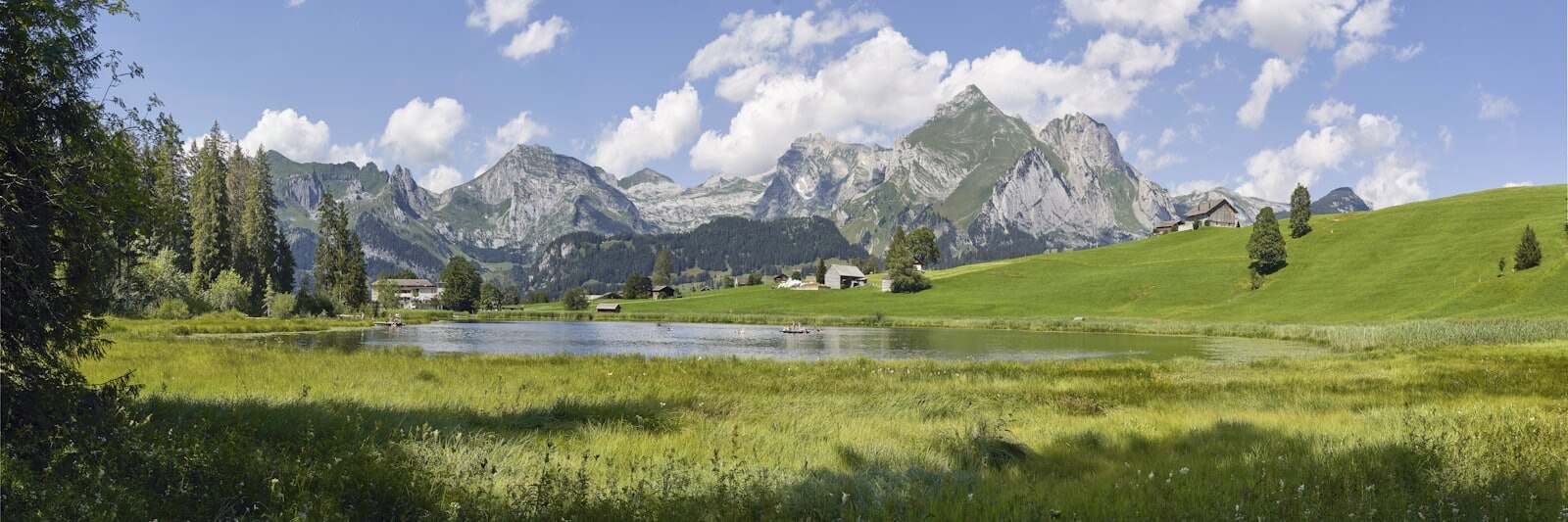
This is the itinerary I’d hand a first-time visitor with a week to spend. It covers Switzerland’s greatest hits — a lakeside city, the classic Lucerne region, the Jungfrau mountains and the Matterhorn — entirely by train, at a pace that leaves room to actually enjoy the views.
Everything below connects on real timetables, and the whole thing is covered by a 7-day Swiss Travel Pass, which for this route pays for itself.
Route overview
Zurich → Lucerne → Interlaken → Grindelwald → Zermatt → Geneva. You travel roughly west across the country, so you never double back, and you can fly into Zurich and out of Geneva.
Day 1 — Arrive in Zurich
Land, drop your bags, and ease in. Walk the Old Town (Altstadt), the Lindenhof viewpoint and along the Limmat to Lake Zurich. If you land early and the weather’s good, a lake boat is the best-value hour in the city (free with the pass). Don’t over-plan day one — jet lag is real.
Sleep: Zurich.
Day 2 — Zurich to Lucerne
Trains run Zurich → Lucerne twice an hour and take about 45 minutes. Spend the day on the Chapel Bridge, the old town squares and the lakefront. In the afternoon, ride up Mount Rigi or Stanserhorn — both are largely covered by the Swiss Travel Pass and give you your first proper Alpine panorama.
Sleep: Lucerne.
Day 3 — Lucerne to Interlaken (the scenic way)
Take the Luzern–Interlaken Express (about 2 hours) past the Brünig Pass and a string of turquoise lakes — one of the country’s great rides, no surcharge. Arrive in Interlaken, sitting between two lakes under the Eiger, Mönch and Jungfrau. Afternoon: stroll the Höheweg, or head straight up to Harder Kulm for the classic view over both lakes.
Sleep: Interlaken (2 nights).
Day 4 — The Jungfrau region
Your big mountain day. Options, in order of value:
- Grindelwald + First for hiking, the cliff walk and the toboggan run.
- Lauterbrunnen + Mürren + the Schilthorn for the most dramatic valley in the Alps.
- Jungfraujoch, the “Top of Europe” — spectacular but expensive; see our honest Jungfraujoch verdict before committing.
Sleep: Interlaken.
Day 5 — Interlaken to Zermatt
A ~2h15 journey via Spiez and Visp brings you to Zermatt, the car-free village beneath the Matterhorn. Arrive by early afternoon, then take the Gornergrat cog railway up for the definitive Matterhorn view at sunset (50% off with the pass).
Sleep: Zermatt (2 nights).
Day 6 — Matterhorn country
Choose your altitude. Matterhorn Glacier Paradise is Europe’s highest cable-car station; the Five Lakes Walk (5-Seenweg) is an easy hike with five Matterhorn reflections and costs only the lift fare; or simply wander Zermatt and the Gorner Gorge. This is the day to slow down.
Sleep: Zermatt.
Day 7 — Zermatt to Geneva, and home
Zermatt → Geneva Airport takes about 3h40 via Visp, largely along Lake Geneva’s vineyards for the final stretch. If your flight is late, stop in Montreux or Lausanne for a few lakeside hours en route.
What it costs
See the FAQ above for a full breakdown, but the short version: around CHF 1,400–2,200 per person excluding flights, with the Swiss Travel Pass and hotels the two biggest lines. Our Switzerland trip cost guide has real daily numbers.
Want it shorter or longer?
Cut Zermatt to make this a comfortable 5-day trip, or add Ticino (Lugano) and the Bernina Express for a rail-lover’s 10 days. Browse all our Switzerland itineraries to find the right length.
Frequently asked questions
Is 7 days enough for Switzerland?
Seven days is enough to see the highlights of central Switzerland and the Alps at a comfortable pace: a city, the Lucerne region, the Jungfrau area and the Matterhorn. It is not enough to add Ticino or the west without rushing — save those for a longer trip.
How much does a 7-day Switzerland trip cost?
Excluding flights, budget roughly CHF 1,400–2,200 per person for 7 days: about CHF 700–1,200 for mid-range hotels, CHF 429 for a Swiss Travel Pass, and CHF 300–500 for food and excursions. Costs rise fast with nicer hotels and more mountain trips.
Should I rent a car for this itinerary?
No. This route is built entirely around trains, which are faster and more scenic than driving between these places — and several villages like Zermatt are car-free anyway. A Swiss Travel Pass covers the whole itinerary.
What is the best time of year to do this itinerary?
June to September gives the best hiking and open mountain excursions. December to March swaps the hiking for skiing but some high passes and trails close. May and October are quieter and cheaper but weather is mixed.
Written by Christoph Burgdorfer
Swiss-based traveler writing first-hand, up-to-date guides to getting the most out of Switzerland — trains, mountains, and real prices in Swiss francs.
Published · Last updated